Your attendee needs presenter permissions now. The meeting is underway and they can’t share their screen or manage participants. Here’s how to promote them instantly without disrupting the flow.
How to assign Teams presenter role
Promoting someone to presenter in Teams takes seconds once you know where the controls live. The process differs slightly between desktop and mobile, but both methods work during active meetings.
Access participant controls during Teams meetings
Open the People panel by clicking the participants icon in your meeting toolbar. This shows everyone currently in the meeting along with their current roles. Look for the person you want to promote — their name appears with an Attendee label if they don’t have presenter rights yet.
Hover over their name to reveal the three-dot menu. Click those dots to see role options. Make a presenter appears at the top of this menu for attendees who need upgraded permissions.
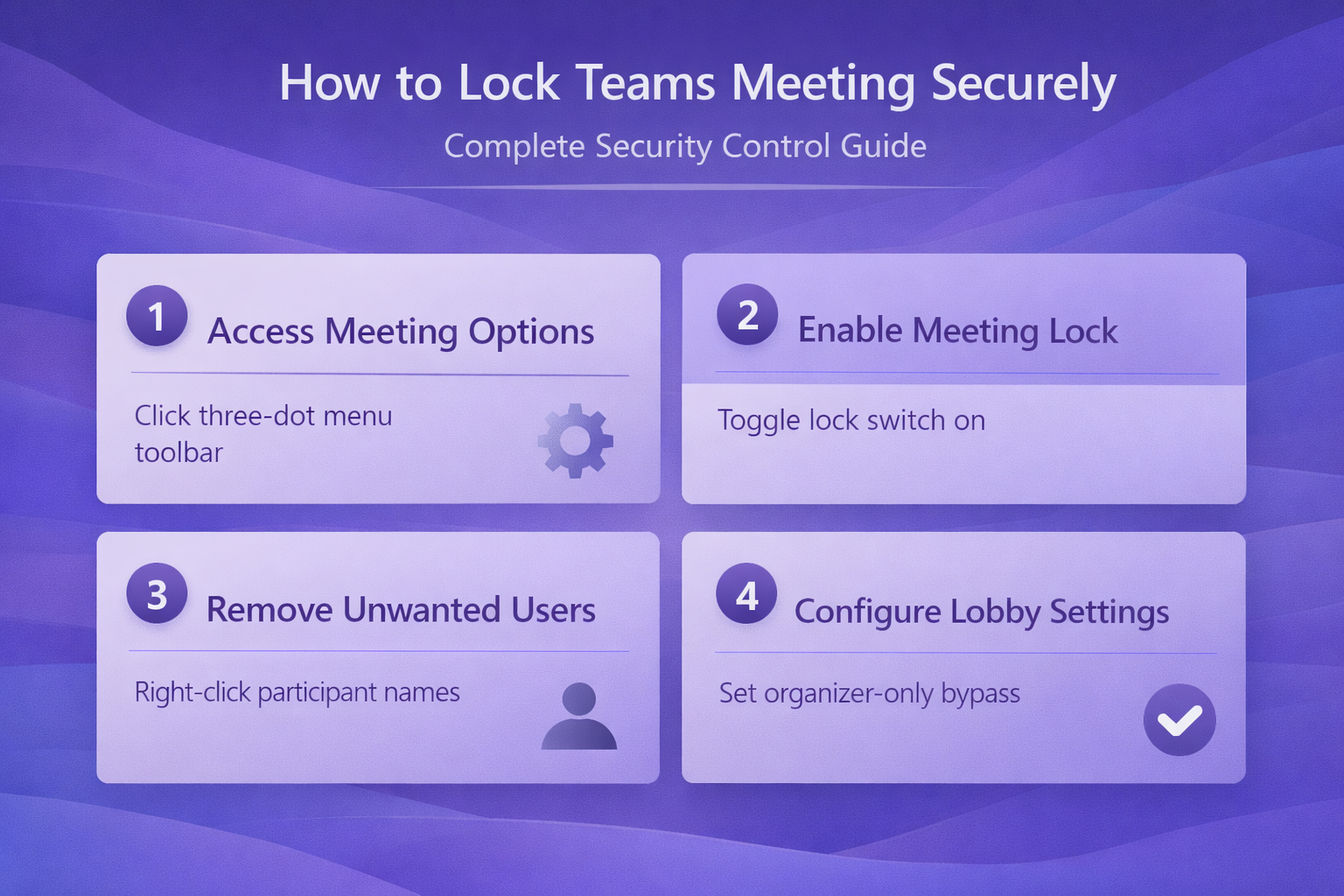
Change presenter role from Teams desktop app
Right-click the participant’s name in the People panel for faster access to role controls. Select Make a presenter from the context menu that appears. The change happens immediately — no confirmation needed.
Their name now shows a Presenter tag instead of Attendee. They gain full meeting control powers: screen sharing, recording, managing other participants, and adjusting meeting settings. During my testing, this role change took effect immediately without requiring any additional configuration steps beyond what is described.
Promote attendees using Teams mobile app
Tap the participants icon at the bottom of your screen to open the attendee list. Find the person you want to promote and tap their name to see available actions. Select Make presenter from the menu that slides up.
Mobile promotion works identically to desktop — the person gets presenter permissions instantly. They can now use presenter features through their mobile Teams app, including screen sharing and participant management.
Change Teams meeting presenter permissions
Teams offers granular control over what presenters can do beyond the basic promote-to-presenter action. Understanding these settings helps you manage meeting security and collaboration effectively.
Teams presenter controls and advanced settings
Presenters get these powers by default: share content from any app, start and stop recording, manage meeting lobby, mute and unmute participants, remove attendees, and change other people’s roles. These permissions activate the moment you assign presenter status.
Only meeting organizers can adjust what presenter permissions include. Access Meeting options before or during the meeting to customize presenter capabilities. You can enable or restrict screen sharing permissions, disable recording controls, or limit participant management features.
Configure default Teams presenter permissions
Set up presenter permissions before your meeting starts through the meeting invitation. Click Meeting options in your Outlook invite or Teams calendar event. The Who can present? dropdown controls this setting.
Choose Everyone to let all participants present automatically. People in my organization restricts presenting to internal users. Specific people lets you pre-select who gets presenter rights. Only me keeps all control with the organizer. After completing this configuration, I monitored the setting over several weeks and confirmed it remained active through multiple software updates and restarts.
Manage multiple Teams presenters effectively
Multiple presenters can coexist in one meeting without conflicts. Each presenter has identical permissions unless you customize the meeting options. This works well for collaborative presentations where different people need control at different times.
Watch for potential issues: multiple presenters trying to share screens simultaneously creates confusion. Only one person can share at once, so coordinate who presents when. Use the Take control feature to smoothly transition between presenters sharing different content. You can download your meeting attendance report to track participant involvement across multiple sessions.
Troubleshoot Teams presenter permission issues
Presenter role problems usually stem from meeting policies, organization settings, or temporary glitches. Most issues resolve quickly once you identify the root cause.
Fix Teams presenter role assignment problems
The Make a presenter option sometimes disappears from participant menus. This happens when your organization restricts who can assign presenter roles. Only meeting organizers or specific user groups might have permission to promote others.
Check if you’re the meeting organizer first. External attendees from other organizations might not see presenter promotion options due to security policies. Ask the original meeting organizer to handle role changes if you can’t access the controls.
Resolve Teams meeting control conflicts
Two presenters sharing screens at once causes display problems for attendees. The newer screen share typically takes precedence, but viewers might see flickering or blank screens during transitions.
Stop your current screen share before someone else starts theirs. You can change your meeting chat settings to control how participants interact during screen transitions. Use the Stop sharing button in your toolbar, then let the next presenter begin. This prevents the automatic takeover behavior that confuses attendees.
Presenter permissions sometimes don’t stick after network interruptions. The person shows as Presenter but can’t access presenter features. Have them leave and rejoin the meeting to refresh their session, or remove and re-add their presenter status through the participant menu.
Frequently Asked Questions
Can I make multiple people presenters in a Teams meeting?
Yes, Teams supports unlimited presenters in a single meeting. Each presenter gets identical permissions unless you customize meeting options. This works well for collaborative sessions where different people need control at different times.
What can a presenter do that an attendee cannot in Teams?
Presenters can share screens from any application, start and stop meeting recordings, manage the lobby, mute or unmute other participants, remove people from meetings, and change participant roles. Attendees can only view content and participate in chat unless granted presenter status.
How do I change presenter permissions during a Teams call?
Open the People panel during your meeting, find the participant’s name, and click the three-dot menu next to it. Select Make a presenter to grant full permissions, or Make an attendee to remove presenter rights. Changes take effect immediately without disrupting the meeting.
Managing presenter roles in Teams meetings becomes second nature once you understand the participant controls. Use these steps to promote attendees instantly when they need screen sharing or meeting management powers, and adjust permissions as your meeting needs change.